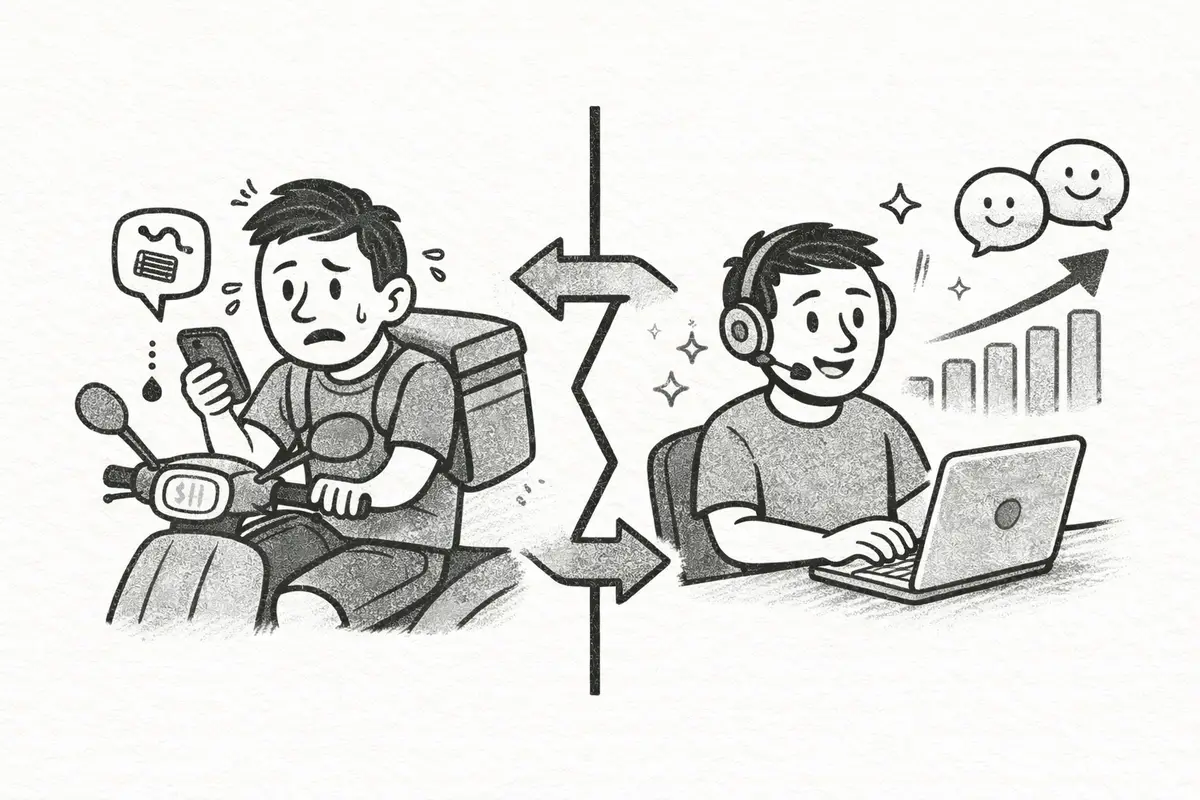
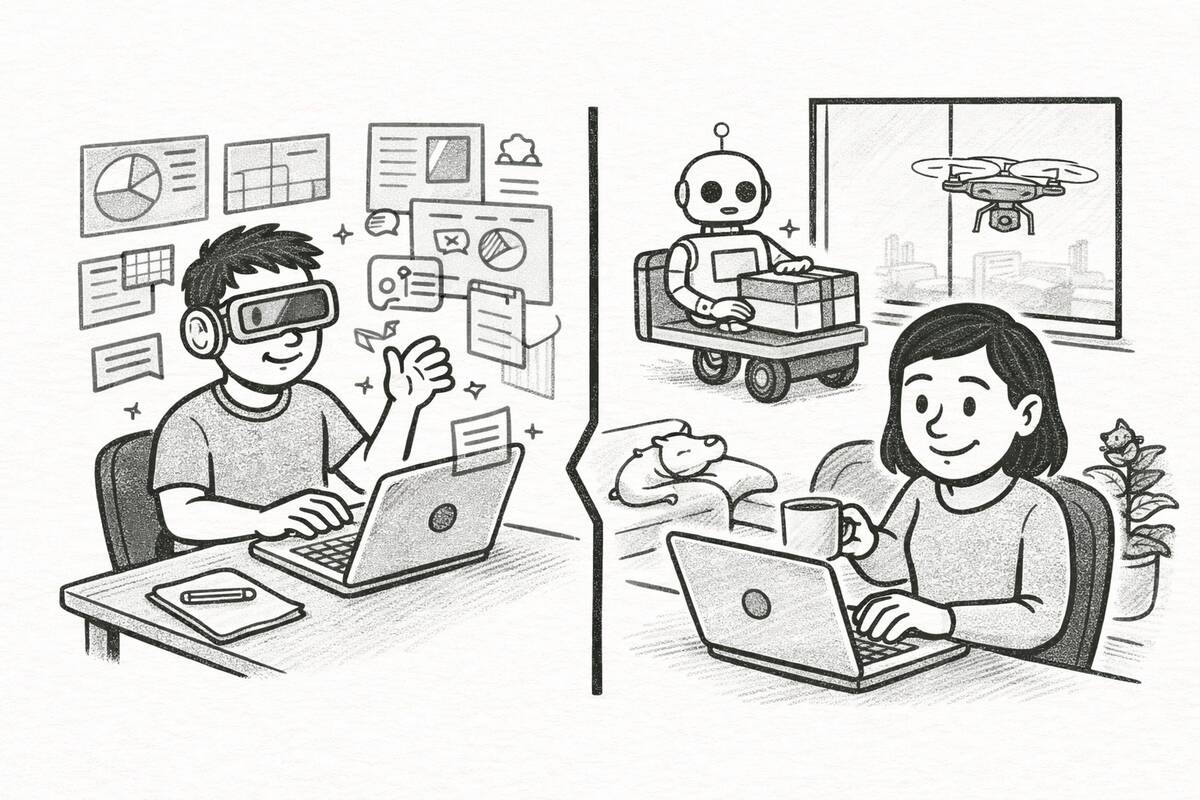
As businesses expand across borders, the friction caused by miscommunication can lead to missed opportunities, stalled projects, and fractured team dynamics. To mitigate these risks, forward-thinking organizations are turning to specialized Talaera professional language and cross-cultural communication training. By moving beyond basic grammar and focusing on the nuances of international business interaction, these programs empower global teams to collaborate with clarity and confidence.
The Global Communication Imperative: Why Language Isn’t Enough
For decades, “Business English” was often taught as a rigid set of vocabulary words and grammatical rules. However, in 2025, the standard has shifted. Proficiency in a language is merely the foundation; the real work lies in Intercultural Competence.
A team member might have a perfect grasp of English syntax but still fail to close a deal because they misunderstood the “power distance” in a Japanese boardroom or the indirect communication style of a French partner. Professional language training today must address the intersection of what we say and how we are perceived across different cultural contexts.
The Cost of Miscommunication
When communication breaks down, the financial and cultural impact is measurable:
- Operational Delays: Projects often stall when instructions are misinterpreted due to a lack of clarity.
- Employee Turnover: Professionals who feel unable to express their ideas or influence decisions due to language barriers are significantly more likely to leave their organizations.
- Brand Reputation: A poorly worded email or a tone-deaf presentation can damage a company’s credibility with international stakeholders.
The Pillars of Cross-Cultural Communication Training
Effective training programs focus on several core dimensions that influence how global teams interact. Understanding these pillars is essential for any professional working in a multinational environment.
1. High-Context vs. Low-Context Communication
Some cultures (like the U.S. or Germany) are “low-context,” meaning they value explicit, direct communication. Others (like many Asian or Middle Eastern cultures) are “high-context,” where much of the message is conveyed through non-verbal cues and the relationship between the parties.
2. Feedback Loops and Criticism
The way “no” is said varies wildly. In some cultures, a direct “no” is seen as honest and efficient; in others, it is a catastrophic breach of etiquette. Training helps professionals decode phrases like “That might be difficult” to understand when it actually means “It’s impossible.”
3. Persuasion and Presentation Styles
Western styles of persuasion often rely on “applications-first” logic—starting with a conclusion and supporting it with facts. Conversely, many European cultures prefer “principles-first” logic, where the theoretical framework must be established before reaching a conclusion.
Case Study: Talaera’s Modern Training Ecosystem
Talaera has emerged as a leader in this space by recognizing that busy professionals require flexibility and relevance above all else. Their ecosystem is designed to fit into the flow of work, rather than disrupting it.
Flexible Business English Courses
Unlike traditional language schools, Talaera focuses exclusively on the workplace. Their curriculum isn’t about ordering coffee in London; it’s about defending a budget in a quarterly review.
| Training Feature | Description | Best For |
| 1:1 Coaching | Personalized sessions with expert trainers tailored to specific job roles. | Executives, Managers, High-potentials. |
| Group Courses | Small, interactive cohorts (usually up to 4 participants) focusing on collaborative skills. | Departmental teams, Project groups. |
| Self-Paced Modules | On-demand video lessons, quizzes, and AI-powered practice tools. | Individual contributors, Scaling across large orgs. |
| Workshops | Intensive 90-minute sessions on specific topics like “Assertiveness” or “Small Talk.” | Rapid upskilling for specific events. |
“Talk to Tally”: The AI Advantage
In 2025, the integration of AI is non-negotiable. Talaera’s Talk to Tally is an AI English pronunciation and communication coach that allows learners to practice real-world scenarios—like giving a status update or handling a difficult conversation—in a safe, 5-minute format. It provides instant feedback on tone, clarity, and phrasing, serving as a bridge between formal lessons and real-world application.
Mastering Essential Workplace Skills
To truly thrive, professionals must master three primary channels of communication: meetings, presentations, and written correspondence.
1. High-Stakes Meetings
Global meetings are minefields for the unprepared. Training focuses on:
- Inclusion: How to ensure non-native speakers have the “airtime” they need to contribute.
- Clarification: Using “checking for understanding” techniques to ensure everyone leaves with the same action items.
- Interruption Etiquette: Navigating different cultural norms regarding when and how it is appropriate to speak up.
2. Impactful Presentations
A presentation is more than just slides. Professional training helps learners:
- Simplify Complex Ideas: Avoiding jargon that confuses international audiences.
- Project Confidence: Improving intonation and body language to command the room.
- Handle Q&A: Preparing for unpredictable questions with “bridging” phrases that buy time and maintain authority.
3. Professional Email & Written Correspondence
Written communication is often where the most significant cultural friction occurs. In a digital-first world, tone is easily misread. Training emphasizes brevity, precision, and the correct level of formality.
For instance, consider the common scenario of a late reply. A non-native speaker might struggle with the right way to acknowledge a delay without sounding unprofessional. In a professional context, using a standard, polite phrase is key. For example, if a client has been waiting for a proposal, beginning the email with, “my apologies for the delayed response,” immediately sets a tone of accountability and respect. It acknowledges the recipient’s time while pivoting quickly to the value-driven content of the message.
The ROI of Professional Communication Training
Organizations often ask: “Is the investment worth it?” The data from 2024 and 2025 suggest a resounding yes. According to industry reports, companies that invest in communication training see:
- Time Savings: Improved clarity can save employees up to 3 to 4 hours per week that would otherwise be spent on clarifying misaligned expectations.
- Faster Deal Cycles: Sales teams that can adapt their communication style to the prospect’s culture close deals 25% faster.
- Enhanced Retention: Offering professional development in language and culture is a top-tier perk that increases employee Net Promoter Scores (eNPS) and reduces turnover by up to 15%.
Quantifying Growth: A Sample Comparison
| Metric | Before Training | After 6 Months of Training |
| Meeting Efficiency | High “back-and-forth” post-meeting | 40% reduction in follow-up emails |
| Employee Confidence | Low participation in global calls | 65% increase in voluntary contributions |
| Customer Satisfaction | Occasional complaints about “clarity” | 30% improvement in international CSAT |
How to Choose the Right Training Partner
Not all programs are created equal. When selecting a provider for your global team, consider the following criteria:
1. Industry Specificity
Does the provider understand your world? A software engineer needs different vocabulary and cultural training than a luxury retail manager. Look for partners like Talaera that offer tailored modules for tech, finance, HR, and leadership.
2. Scalability and Accessibility
Can the training grow with you? A program that only offers in-person sessions will struggle to support a team spread across five time zones. Hybrid models that combine 1:1 sessions with self-paced digital modules provide the best balance of depth and reach.
3. Cultural Intelligence (CQ) Focus
Language training that ignores culture is only half-effective. Ensure the curriculum includes “Cultural Intelligence” (CQ) training—the ability to function and manage effectively in culturally diverse settings.
Strategies for Internal Success
Implementing a training program is only the first step. To ensure long-term success, organizations should:
- Normalize Learning: Encourage leaders to participate in training to show that communication is a lifelong journey, not a “remedial” task.
- Create “Safe Spaces”: Allow teams to practice their new skills in low-stakes environments, such as internal “Speaking Clubs.”
- Celebrate Progress: Recognize employees who successfully lead international projects or deliver impressive cross-border presentations.
The Future is Multilingual and Culturally Agile
As we navigate the complexities of 2025 and beyond, the definition of a “global professional” continues to evolve. It is no longer enough to be an expert in one’s field; one must also be an expert in the people they work with.
By investing in specialized platforms like Talaera, companies are not just teaching English—they are building bridges. They are creating an environment where a team member in Berlin can seamlessly collaborate with a colleague in Tokyo and a client in New York, all while feeling valued, understood, and empowered.
Professional language and cross-cultural training is the “oil” in the machinery of global business. It reduces friction, prevents heat, and ensures that the entire organization moves forward in unison toward its collective goals. In the end, the most successful companies won’t just be the ones with the best products, but the ones who communicate them most effectively to the world.