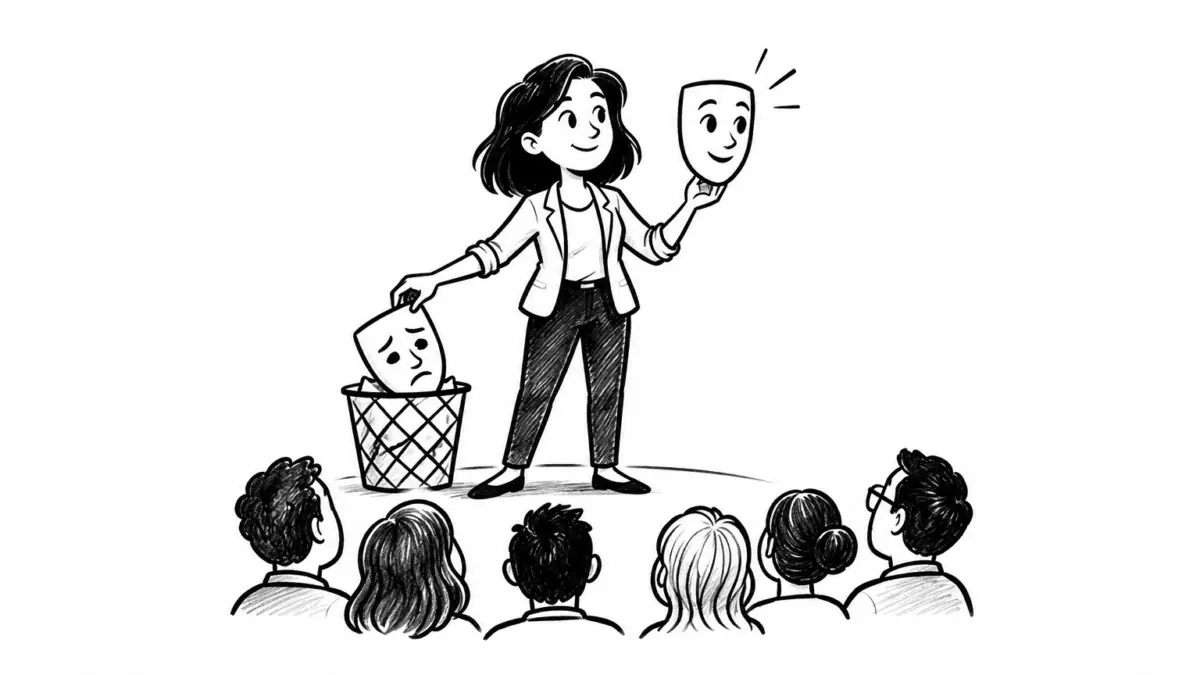
How to Change Your Career Direction Without Losing Credibility
How career changers can revise a public view without losing credibility, creating confusion, or turning every new idea into a new identity.
 Jobicy Journal · Author
HR Technology Specialist · Germany
I’m Ewald — a passionate HR tech consultant from Berlin. I write about the intersection of automation, recruitment, and human capital. After leading several HRIS rollouts across Europe, I now focus on advising startups and writing practical content for job seekers and hiring teams alike.
With a strong IT background, I bridge the gap between HR and technology: from API integrations and data security to workflow automation and cloud-based HR platforms. My mission is to help organizations not only digitize but truly optimize their people operations.
How career changers can revise a public view without losing credibility, creating confusion, or turning every new idea into a new identity.

A better task system for fragmented schedules records work state, dependencies, and restart cues so interruptions do not erase the next move.
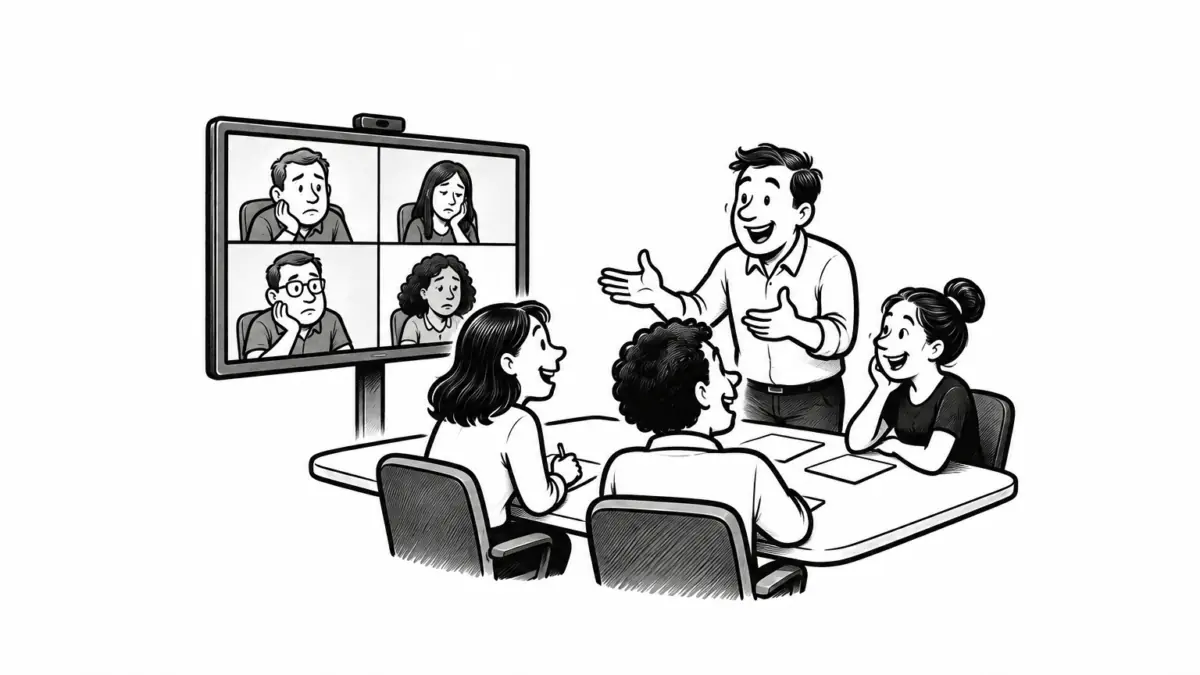
Hybrid meetings work better when teams design shared inputs, decision records, and turn-taking instead of treating remote attendance as a downgrade.
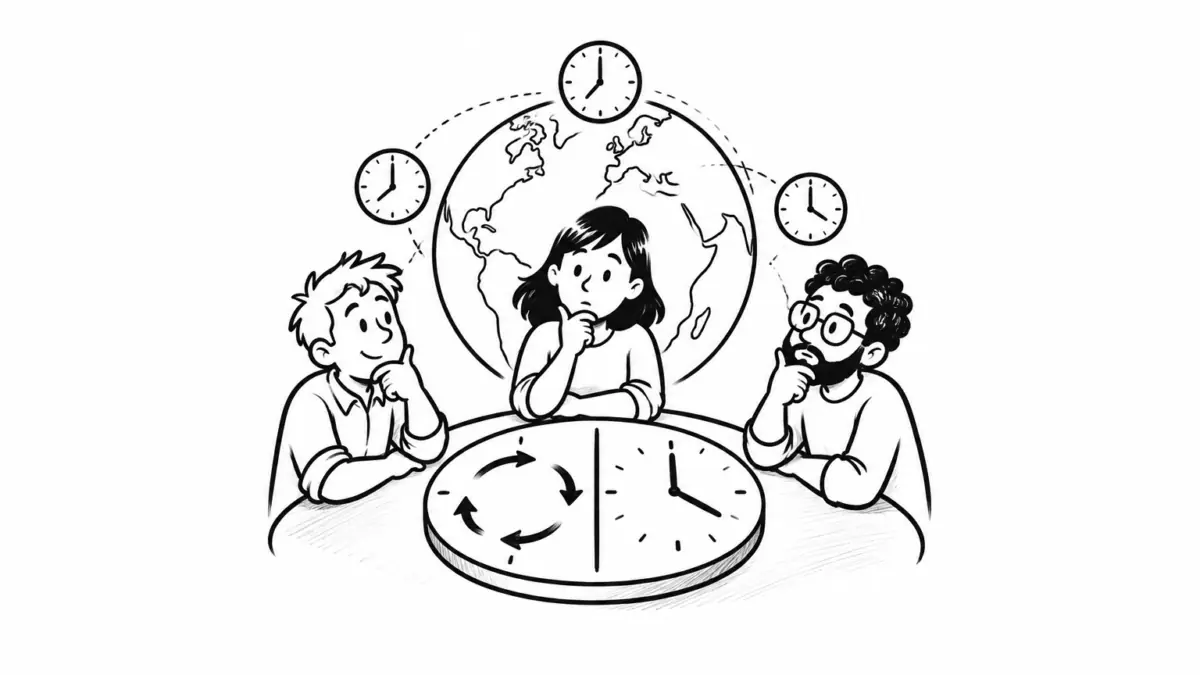
Choose meeting schedules for distributed teams by examining decision urgency, participation needs, and who carries after-hours costs.
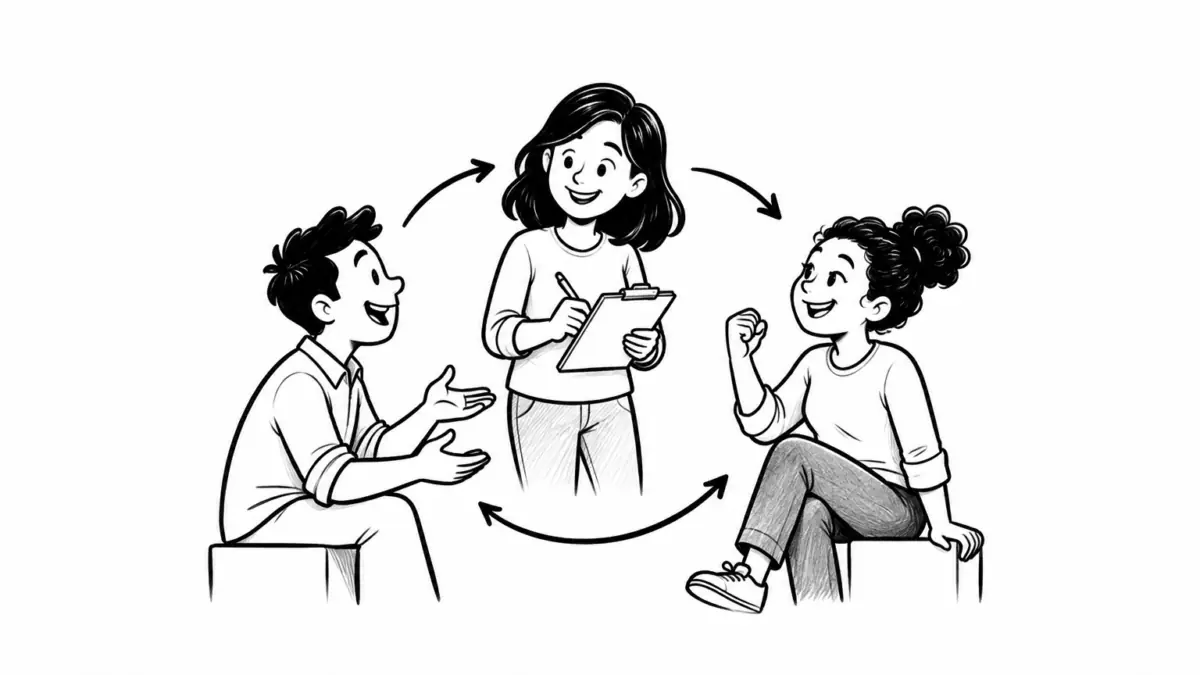
Use a simple team agreement to turn vague development goals into timely feedback, practical experiments, and evidence you can revisit.
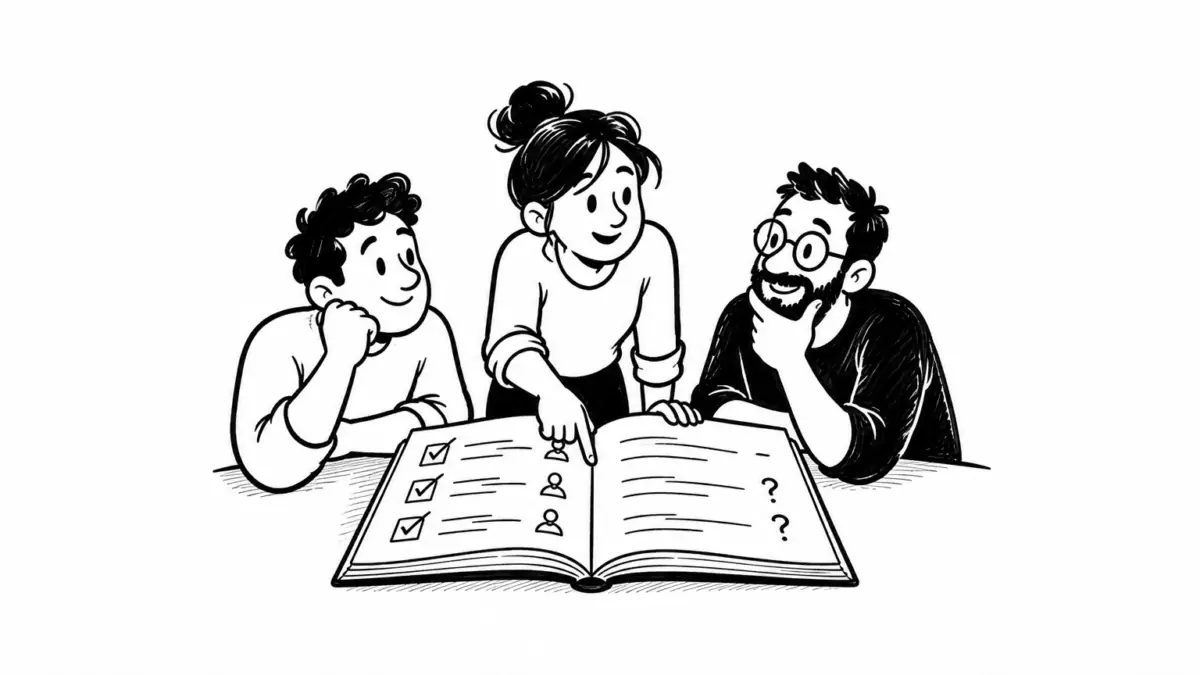
Status updates can create the appearance of clarity. Give remote teams a shared work record that shows decisions, owners, and unresolved questions.
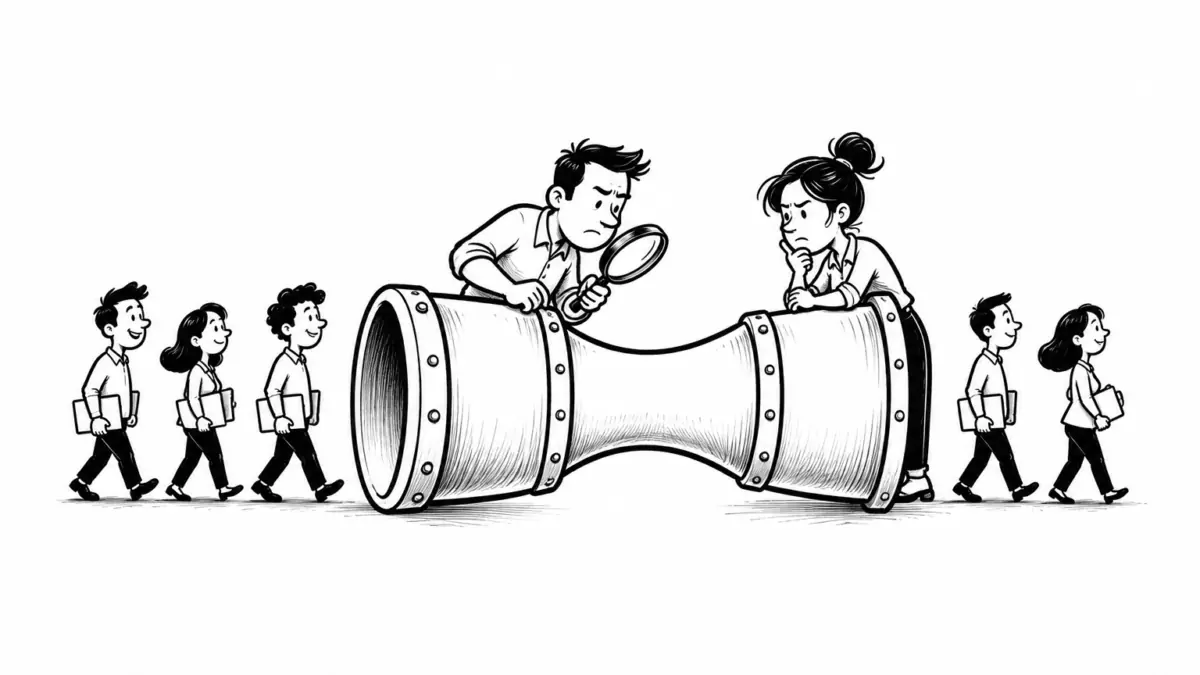
Use one live hiring cycle to test whether your bottleneck is scheduling, feedback ownership, or an unclear assessment design before buying more software.
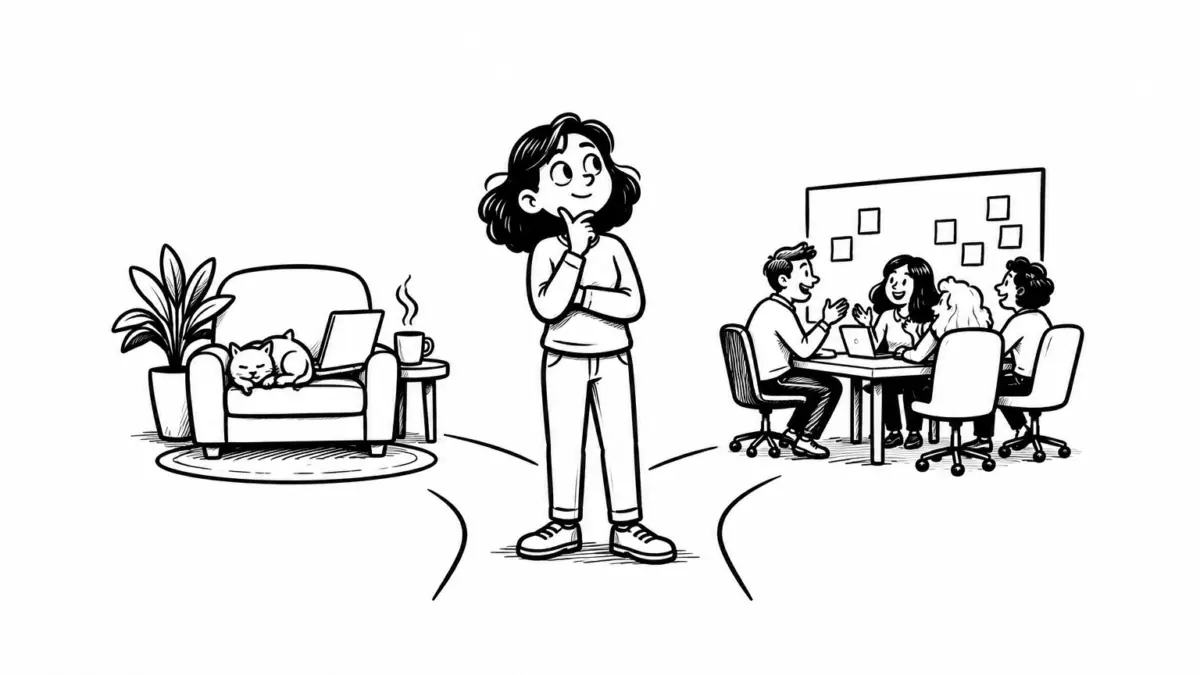
A practical framework for deciding which hybrid-work tasks need office time, which belong at home, and how to make shared days worth the…
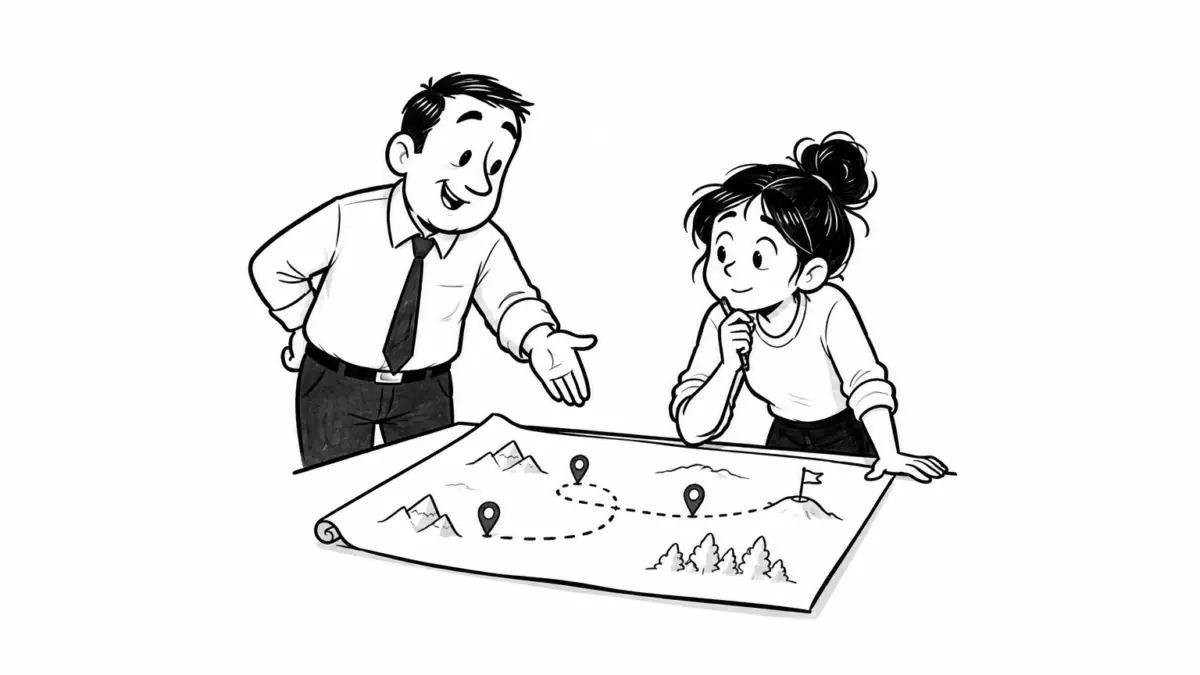
Turn vague feedback about being “more strategic” into observable work changes, clearer questions, and a focused development plan.

Use a 10-day restart-note experiment to reduce lost context after interruptions and decide which prompts make resuming work easier at work.
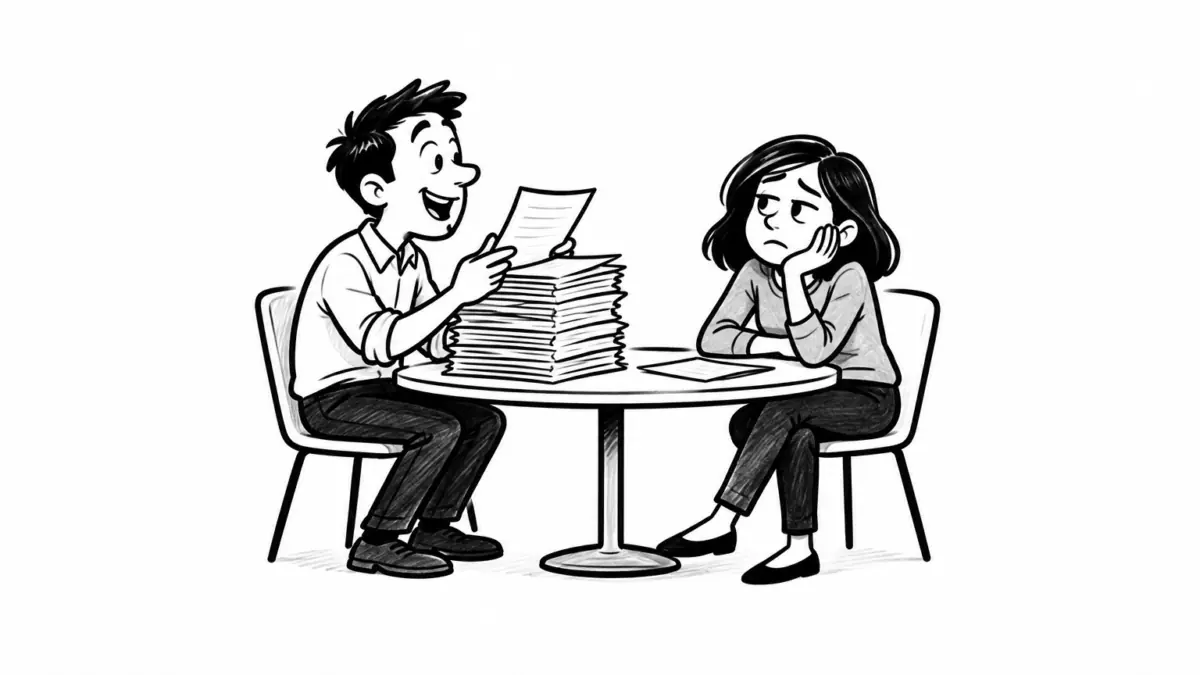
If every one-on-one becomes a project update, fix the information flow first so managers can discuss decisions, feedback, and support.
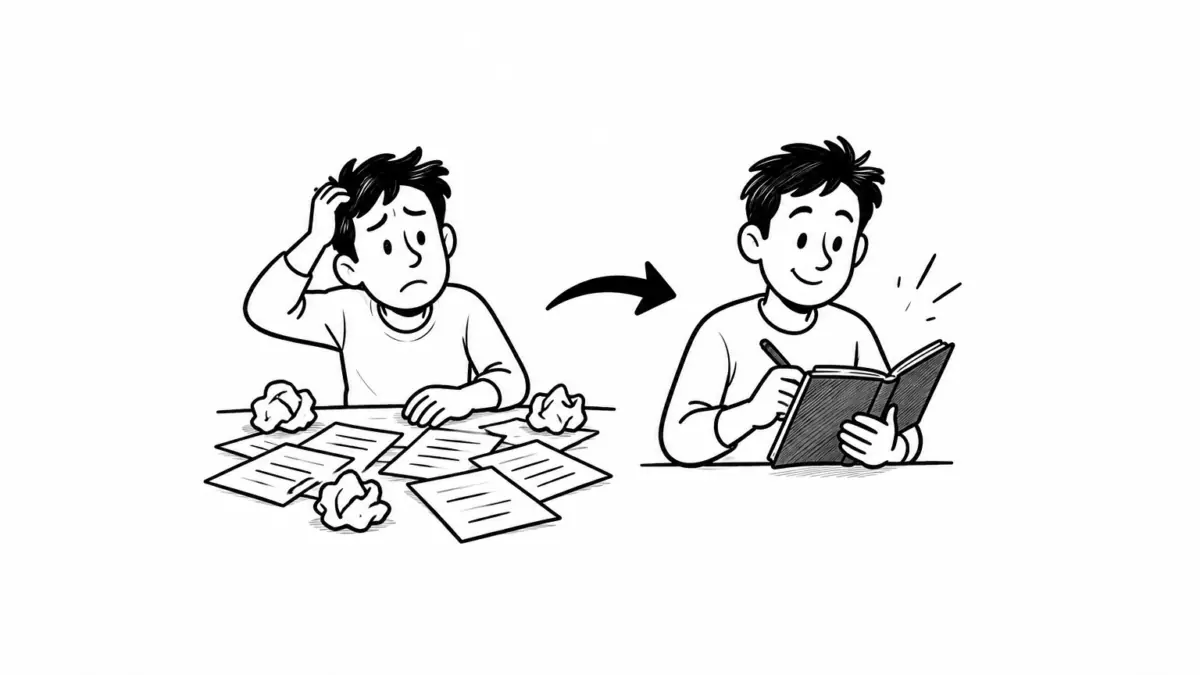
A practical way to record repeatable work decisions, reduce rework after interruptions, and make your next similar task easier to start.
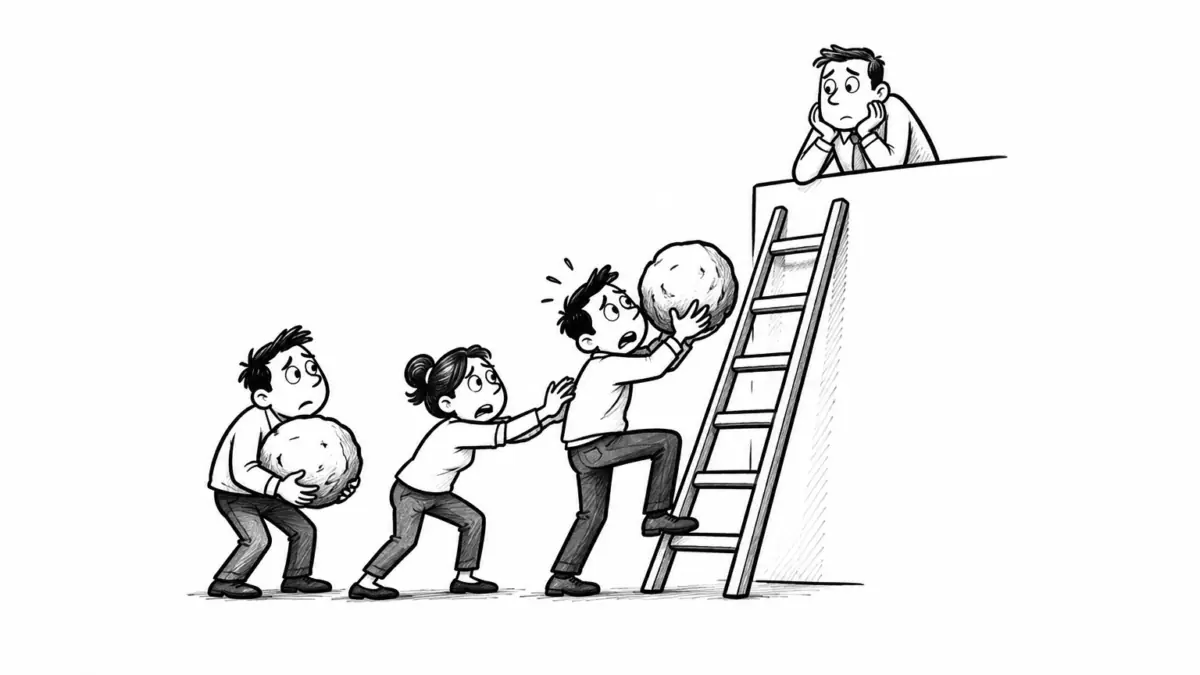
A troubleshooting guide for distributed teams that confuse unclear escalation rules with poor communication, and how to repair the workflow.

How to write a high-impact remote cover letter with zero remote experience. Learn how to translate your office skills into trust, autonomy, and…